


The Minority in Parliament has criticized the Public Utilities Regulatory Commission (PURC) over newly announced increases in utility tariffs, arguing that the adjustments do not align with the government’s pledges to reduce the cost of living.
The PURC has announced a 3.49 percent increase in electricity tariffs and a 0.85 percent increase in water tariffs, effective July 1, 2026.
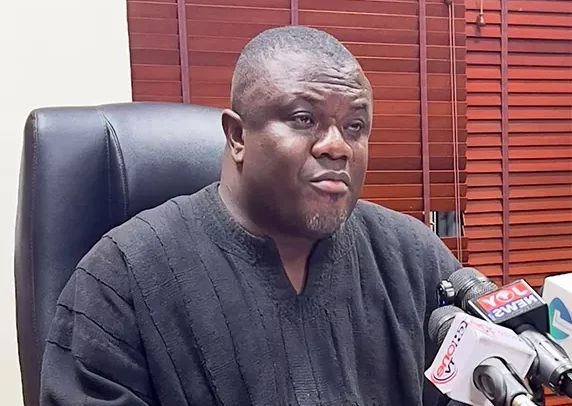
At a news conference in Parliament, Deputy Ranking Member on the Energy Committee Collins Adomako Mensah said the increases add to earlier tariff adjustments since January 2025.
He said electricity tariffs had increased by 14.75 percent in the second quarter of 2025, 2.45 percent in the third quarter, 1.14 percent in the fourth quarter and 9.8 percent in the first quarter of 2026. He added that tariffs were reduced by 4.81 percent in the second quarter of 2026.
According to him, electricity prices are now 26.82 percent higher than they were when the current administration took office in January 2025, adding that the latest increase had effectively wiped out the relief provided by the previous quarter’s reduction within a single quarter.
He said the latest tariff increase comes after workers received a 10 percent wage adjustment and argued that the higher utility costs would undermine the government’s 24-hour economy policy because businesses would have to operate with significantly more expensive electricity.
The Minority said the PURC based the tariff review on an exchange rate of GH¢11.2228 to the US dollar, representing a 0.2 percent depreciation from the previous quarter, while noting that natural gas costs had declined by 1.58 percent.
Adomako Mensah questioned how the marginal movement in the exchange rate and the decline in gas costs justified the tariff increase.
He called for the publication of the formula used in determining tariff adjustments since January 2025.
He also said Ghana is no longer under an International Monetary Fund Extended Credit Facility programme and questioned why IMF-related conditions continued to be referenced in the tariff-setting process.
The Minority called for a review of the 2026–2030 Multi-Year Tariff Order.
It said future tariff increases should be linked to measurable service delivery indicators.
The Minority further argued that rising electricity and water tariffs should be assessed alongside inflation, exchange rate movements and interest rates.
It also called on civil society organizations, labour unions and industry groups to scrutinize the latest tariff adjustments.