


The FIFA World Cup 2026 has reached its defining stage. After weeks of thrilling upsets, dramatic comebacks and standout individual performances, the tournament has narrowed to four teams: France, Spain, England and Argentina. As CNN Sports notes, the semifinal lineup reflects both the unpredictability of knockout football and the enduring quality of the world’s traditional football powers.
One of the key takeaways from CNN’s analysis is that, despite the tournament producing several surprise stories in the earlier rounds, the final four consists of nations that entered the competition among the favorites. The outcome suggests that while World Cups often produce unexpected moments, experience, squad depth and elite individual talent remain decisive over the course of a demanding tournament.
England’s campaign has been built more on resilience than dominance. Though the Three Lions have not consistently produced fluent attacking football, they have repeatedly found ways to overcome difficult situations. Jude Bellingham has emerged as one of the team’s driving forces, while captain Harry Kane continues to provide leadership and goals in crucial moments. Manager Thomas Tuchel has also acknowledged that England must improve its technical execution and decision-making if it hopes to end decades of World Cup disappointment.
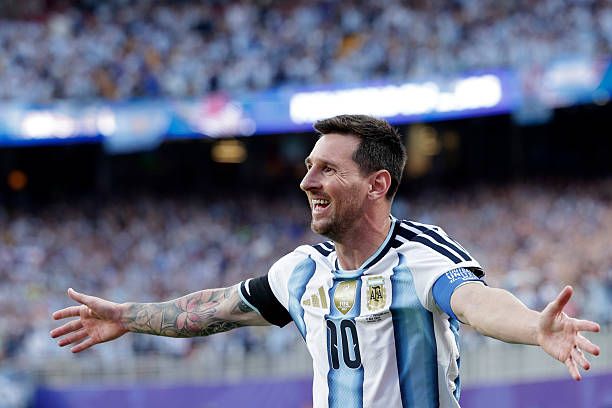
Defending champions Argentina have followed a similarly determined path. Rather than overwhelming opponents, Lionel Scaloni’s side has relied on experience, composure and moments of individual brilliance. Lionel Messi remains the team’s inspirational leader, while Julián Álvarez has established himself among the tournament’s standout performers with a series of decisive contributions. Argentina’s ability to combine attacking efficiency with composure under pressure has reinforced its credentials as a genuine contender to retain the World Cup title.
The semifinal between England and Argentina therefore represents far more than a meeting of two footballing giants. It is a contest between two teams that have repeatedly demonstrated their ability to survive difficult knockout matches. Their long-standing rivalry adds another layer of intrigue, with both nations seeking to take one final step toward the championship match.
On the other side of the bracket, France enters the semifinals as one of the tournament’s most convincing teams. Led by Kylian Mbappé, Les Bleus have blended attacking quality with defensive discipline throughout the competition. Head coach Didier Deschamps, who is widely expected to leave after the tournament, has guided another balanced and experienced squad that will be eager to secure a second World Cup title under his leadership.
Spain presents a different but equally formidable challenge. La Roja has impressed with its disciplined defensive structure and technically gifted midfield, conceding just one goal en route to the semifinals. The emergence of teenage star Lamine Yamal has added creativity and excitement to Spain’s attack, while the team’s collective organization has made it one of the tournament’s most difficult sides to break down.
The tournament has also generated debate over refereeing decisions and the use of Video Assistant Referee (VAR) technology. Argentina’s quarterfinal victory over Switzerland, in particular, sparked discussion following a controversial VAR decision that drew criticism from the Swiss camp and reignited wider conversations about consistency in officiating during major international tournaments.
Commercially, the expanded 48-team tournament has reinforced football’s growing global appeal. FIFA’s new competition format has delivered a compelling mix of emerging nations and established powers, while the quality of the semifinal lineup has strengthened the view that the expansion has enhanced rather than diminished the tournament’s competitiveness.
As the semifinals approach, each remaining nation carries a compelling narrative. England is chasing its first World Cup title since 1966. Argentina is seeking to defend the crown it won in Qatar four years ago. France hopes to add another championship before the end of Didier Deschamps’ remarkable tenure, while Spain aims to reaffirm its status among world football’s elite.
With only two matches separating these four nations from glory, the margin for error has disappeared. Tactical discipline, leadership, experience and moments of individual brilliance are now likely to determine who lifts the FIFA World Cup trophy. As CNN Sports concludes, the stage is set for a memorable finale featuring four of the game’s biggest powers, a fitting climax to one of the most compelling World Cups in recent history.
Source: CNN Sports analysis by Ben Church, “The World Cup’s final four is set. Here’s what you need to know before the final week”, published 12 July 2026.