

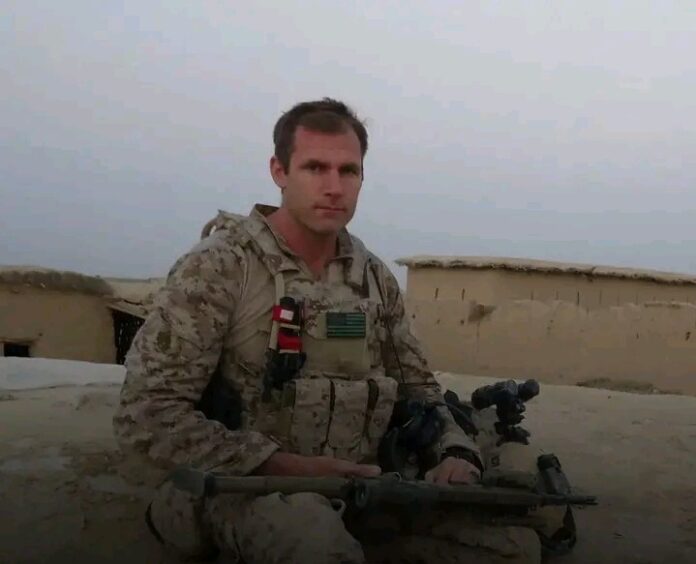

Mike Hayes spent two decades in the US Navy SEALs, rising to command SEAL Team Two and lead a 2,000-person special operations task force. Now, he is applying the leadership principles forged during his military career to the worlds of business, nonprofit work and personal development.
Hayes recently published Mission Driven: The Path to a Life of Purpose, a book that explores the values and mindset behind effective leadership. Proceeds from the book support The 1162 Foundation, an organization that helps pay off mortgages for Gold Star widows.
Drawing from his experience leading teams in high-stakes environments, Hayes highlights three principles he believes can help people succeed regardless of their profession.
Avoid Getting Trapped by What Hasn’t Happened
One of Hayes’ key lessons is the importance of directing energy toward present challenges rather than imagined ones.
“When anything negative happens in your life, if you spend your energy on that hypothetical potential negative thing that could happen, you are spending energy and bandwidth on the hypothetical thing that hasn’t yet happened”, Hayes said.
He said Navy SEAL training emphasizes execution and focus, teaching operators to concentrate on the immediate mission rather than becoming distracted by possibilities that have not occurred.
Hayes believes the same approach can be adopted by anyone. Managing attention, he said, is a choice rather than an inherent personality trait.
Build Teams Around Shared Identity
Hayes said the strongest leaders do not simply organize people around assignments or objectives. They create a sense of belonging by defining who a team is and what it stands for.
“When you converge people around that goal, it’s not work. It’s a mission. It’s enjoyment. It’s a passion” he said.
By establishing a shared identity before developing a strategy, leaders can create teams with stronger loyalty, deeper commitment and a greater sense of purpose.
Rediscover Purpose Through Service
Hayes also believes the most effective way to move through personal struggles or periods of uncertainty is to focus on helping others.
His experience has shown him that serving others without expecting anything in return can provide direction and renewed motivation.
Rather than searching endlessly for purpose, Hayes argues that people often find it by taking action and contributing to something beyond themselves.
For Hayes, the measure of a meaningful legacy is not personal recognition but the ability to help others succeed.
“Legacy”, he said, is “unlocking other people’s ability to be amazing”.
That philosophy continues to shape his work after the military, guiding his efforts to develop leaders and create opportunities for others to thrive.