


By Gebreegziabher Tadele
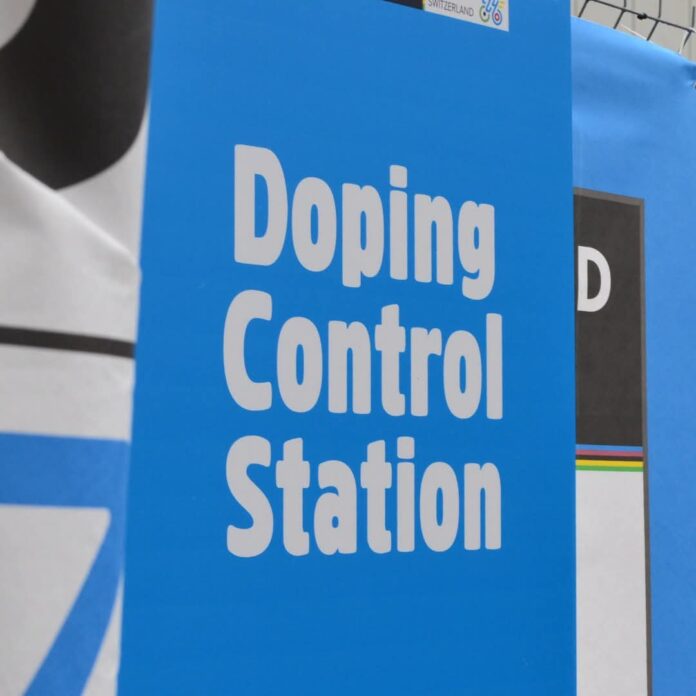
The Union Cycliste Internationale (UCI) has reaffirmed its commitment to an extensive anti-doping programme at the 2026 Tour de France, defending the use of unannounced overnight testing after criticism from riders over the impact on recovery during cycling’s biggest race.
In a statement released Wednesday, cycling’s governing body said safeguarding the sport from doping remains its foremost responsibility, arguing that strict testing measures are essential to preserving fair competition and maintaining public trust.
The response follows concerns raised by riders and the Cyclistes Professionnels Associés (CPA), the professional riders’ association, over anti-doping controls carried out by the International Testing Agency (ITA) outside standard hours. Athletes have argued that the late-night visits can interrupt sleep and hinder recovery during the physically demanding three-week race.
The UCI acknowledged that overnight testing may affect athletes’ rest but said the practice is employed only under exceptional circumstances when justified.
“The fight against doping is an absolute priority,” the governing body said, adding that the measures are designed to protect the integrity of competition while ensuring confidence in the sport’s anti-doping system.
Since 2021, the ITA has independently overseen the UCI’s anti-doping programme, taking responsibility for the planning and execution of testing. The UCI said all controls are conducted in compliance with the World Anti-Doping Agency (WADA) Code, its own regulations and the legal frameworks of the countries where testing is performed.
The governing body also underscored its financial commitment to clean sport, disclosing that it invests more than €10 million annually in anti-doping initiatives. The funding covers athlete testing, laboratory analysis, re-analysis of stored samples, intelligence-led investigations and anti-doping operations across UCI-sanctioned events, including the Tour de France.
Describing its anti-doping framework as one of the most comprehensive in world sport, the UCI urged riders, teams and other stakeholders to continue supporting the programme, which it said has become a model recognized by international sporting authorities.
The federation reiterated its full backing for the ITA’s independent role and pledged to continue strengthening measures aimed at protecting clean athletes while identifying and sanctioning those who breach anti-doping rules.
The debate comes amid heightened scrutiny of anti-doping procedures at major global sporting events, where governing bodies continue to balance rigorous enforcement with concerns over athlete welfare and performance recovery.