

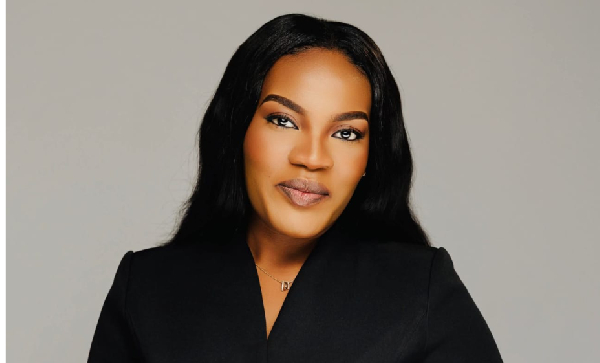

Dr Ekua Amoakoh, spokesperson for Dr Mahamudu Bawumia, the NPP’s flagbearer, has accused the government and security agencies of dragging their feet over allegations of widespread sexual abuse at Obuasi Senior High Technical School (SHTS), demanding to know why the suspect appears to be receiving softer treatment than individuals arrested in unrelated cases.
Dr Amoakoh said the state’s response to allegations against the school’s headmaster, Zakaria Abdulai, fell short of what the gravity of the accusations demanded, particularly given reports that as many as 44 students may have been victimized.
During an appearance on Channel One TV’s The Big Issue on Saturday, she acknowledged the encouraging public reaction to the revelations but criticized what she described as the apparent lack of determination by government institutions to pursue the matter with the necessary urgency.
She argued that the police should not require a formal complaint before demonstrating an active interest in allegations of such magnitude, insisting that the security agencies had previously shown they could move swiftly when they considered a matter a priority.
To illustrate what she viewed as an inconsistency in law enforcement, Dr Amoakoh pointed to the arrest of nurse Salome Awiti Baffoe in Techiman and her subsequent transfer to Accra over allegations concerning her social media activities.
She questioned why authorities could mobilize resources and act decisively in that case but appeared less assertive when confronted with allegations involving the sexual abuse of schoolchildren.
The NPP spokesperson also expressed alarm over the reported number of potential victims, warning that the figure could reflect only part of the problem because sexual abuse, particularly involving minors, frequently goes unreported.
She was equally critical of the decision to grant Abdulai self-recognizance bail, arguing that the handling of the case raised troubling questions about consistency and the seriousness with which authorities were treating the allegations.
Dr Amoakoh contrasted the headmaster’s bail conditions with the decision to remand individuals arrested over TikTok-related activities, arguing that the apparent disparity was difficult to reconcile with the seriousness of the accusations against someone entrusted with the welfare and supervision of students.
She maintained that allegations involving dozens of minors warranted a more robust investigative response and greater public accountability from the institutions responsible for protecting them.
Beyond the circumstances surrounding the suspect’s arrest and bail, Dr Amoakoh warned against allowing political considerations to influence the administration of justice. She insisted that the investigation must be pursued objectively, regardless of the political connections or affiliations of anyone implicated.
She called on the government and security agencies to demonstrate greater resolve in safeguarding students, ensuring that every allegation is thoroughly investigated and that anyone found culpable is held accountable in accordance with the law.