

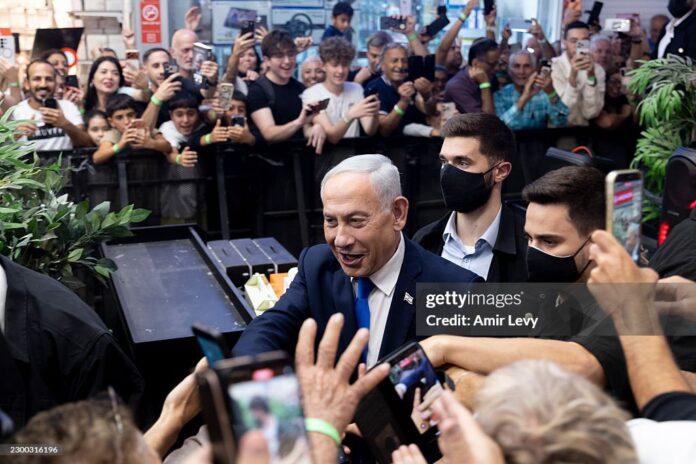

Israelis are heading to the polls on October 27, but the party that wins the most seats may not get to govern. In a political system built on coalition bargaining, the real battle begins after the votes are counted.
When Israelis cast their ballots on October 27, they will not be directly electing their next prime minister. They will be voting in a political contest where winning the most seats is no guarantee of winning power.
That is the defining feature of Israel’s parliamentary system: the path to the prime minister’s office runs not simply through the ballot box, but through the often unpredictable business of coalition-building.
Unlike in the United States, where voters directly choose between presidential candidates, Israelis vote for political parties. The seats those parties win determine the balance of power in the Knesset, Israel’s 120-member parliament.
The system is based on proportional representation, meaning parties receive seats broadly in line with their share of the national vote. But there is an important hurdle: a party must secure at least 3.25 per cent of valid votes to enter parliament.
Clearing that threshold is only the beginning.
To command a parliamentary majority, a government generally needs the backing of at least 61 of the Knesset’s 120 members. And because no single party typically wins enough seats to govern alone, Israel’s political leaders must assemble coalitions by negotiating with smaller parties and potential allies.
Those negotiations can be decisive. A party with only a handful of parliamentary seats can become a crucial partner, wielding considerable influence over government formation, policy priorities and the distribution of political power.
Once election results are in, Israel’s president consults representatives of the elected parties before assigning a lawmaker considered best positioned to form a government.
That lawmaker must then negotiate agreements with potential coalition partners and secure the Knesset’s confidence.
And this is where Israel’s electoral arithmetic can produce surprising outcomes.
The party that finishes first in the election does not automatically get to form the government. A rival party, even with fewer seats, can emerge victorious if its leader can secure the support of a larger and more viable parliamentary coalition.
In other words, the election is about more than which party attracts the most votes. It is also about which political leader can persuade enough parties to join forces, overcome their differences and sustain a government.
That is why the real struggle for power in Israel does not necessarily end when polling stations close. In many ways, it is only beginning.
On October 27, Israelis will vote for parties. But the coalition negotiations that follow could ultimately decide who becomes prime minister, and who gets to govern the country.