

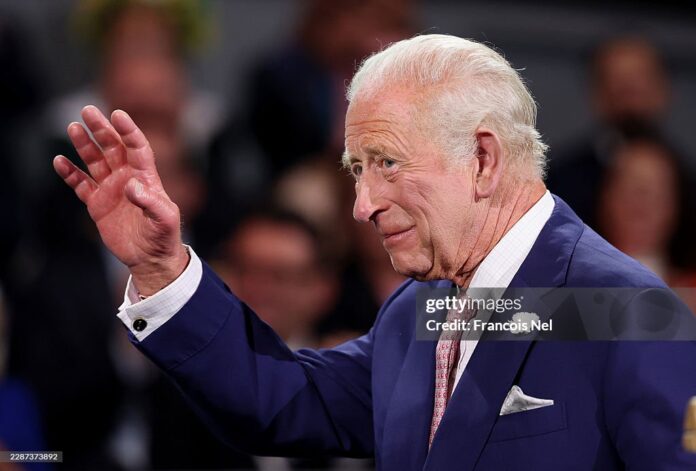

The King says the shameful history of slavery must inspire modern partnerships, investment and action to address historical injustices.
King Charles III has described the transatlantic slave trade as a shameful chapter of history that fills his heart with horror and his soul with “the most profound personal sorrow”, in one of the most striking moments of his address to Commonwealth leaders in Antigua and Barbuda.
Speaking at the Commonwealth summit in St John’s, the King acknowledged the enduring shadow of slavery over the Caribbean and other Commonwealth nations, insisting that while the past cannot be changed, its lessons must shape the future.
“History is not ours to choose or to change”, he told delegates, adding that the inheritance of previous generations includes both their achievements and their failures.
The King’s remarks carried particular weight in the Caribbean, where the legacy of slavery remains deeply embedded in the region’s social, economic and historical experience.
He described the slave trade as a dark and shameful chapter in history, saying it filled him with horror and stirred deep personal sorrow.
But rather than allowing history to define the limits of present-day relationships, Charles called for a forward-looking partnership that confronts historical wrongs through practical action.
“The more I have furthered my own understanding of the issues through listening, learning and looking, the more committed I have become to finding ways for us to work in modern partnership to address the wrongs of the past with action for the future”, he said.
He identified improved access to education, investment in jobs, expanded trade among Commonwealth countries and climate resilience as key areas where cooperation could help overcome longstanding disadvantage.
The King also reflected on the role of the Royal Navy in ending the international trade in enslaved people, describing it as an example of how courage and determination can overcome injustice.
“History also teaches us that evil need not have the last word”, he said.
His comments come against the backdrop of continuing conversations across the Caribbean about slavery’s lasting consequences and the need for meaningful engagement with the past.
Charles, however, stopped short of announcing any specific reparations commitment or financial compensation programme in his address. Instead, he emphasized the importance of building partnerships capable of delivering tangible benefits to communities facing economic and social disadvantages.
He urged Commonwealth leaders to use their positions to create a future in which prosperity is shared, opportunities are expanded and young people can look ahead with confidence.
The address also underscored his personal commitment to the Commonwealth, an organization he said had mattered greatly to him throughout his life.
For the King, the challenge is no longer simply acknowledging the weight of history, but ensuring that the lessons of that history translate into a more equitable future.