

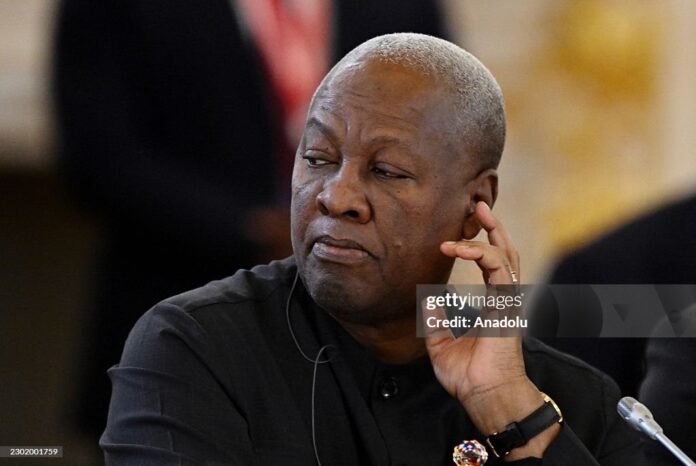

The Atlantic is not a sentimental inheritance. Accra’s push to connect Africa and the Caribbean through trade, air services, port partnerships and labour mobility is more than a diplomatic exercise. Done properly, it could widen markets, diversify supply chains and give two regions of the Global South greater leverage in a world organized around competing economic blocs. Done badly, it will become another declaration stranded between ambition and implementation.
A Market Waiting for a Bridging Strategy
The economic logic is substantial. The African Continental Free Trade Area (AfCFTA), headquartered in Accra, brings together 55 African Union member states, a market of about 1.4 billion people and combined gross domestic product approaching US$3 trillion. The World Bank estimates that full implementation could raise Africa’s income by US$450 billion or 7 per cent, by 2035 and lift 30 million people from extreme poverty. These are projections, not guarantees. But they show why linking AfCFTA with the Caribbean Community (CARICOM) matters: Caribbean firms could gain a gateway into a continental market, while African producers gain access to Caribbean consumers and onward links to the Americas.
Ghana can supply processed foods, pharmaceuticals, cocoa products, construction materials and professional services; Caribbean economies offer tourism expertise, financial services, energy capabilities and niche agricultural products. The starting point, however, is modest. Intra-CARICOM merchandise trade reached US$7.1 billion in 2024, up from US$5.2 billion in 2023, but represented only 7.4 per cent of the bloc’s total trade. Tariffs, customs procedures, standards, payment systems and private-sector information barriers must be addressed.
Ghana’s initiative also has a strategic dimension. As host of the AfCFTA Secretariat and incoming African Union chair in January 2027, Accra can use its convening power to place Atlantic cooperation higher on the continental agenda. President John Dramani Mahama has proposed linking AfCFTA and CARICOM, alongside direct air links, port cooperation and labour exchange. Yet an AU chairmanship lasts one year. The initiative needs a permanent Africa-CARICOM mechanism, a funded secretariat or working group, measurable targets and regular ministerial reviews to outlive it.
Connectivity Is the Real Test
Without reliable transport, trade agreements are paperwork. Direct flights could reduce travel time, strengthen tourism and business networks and make professional exchanges practical. But air-services agreements are only the beginning. Airlines need viable passenger and cargo demand, predictable approvals, route-risk sharing and airport infrastructure. Ghana’s ambition should be matched by feasibility studies, cargo commitments and partnerships with carriers already operating across the Atlantic.
The maritime case is stronger. More than 80 per cent of global trade by volume moves by sea, making ports instruments of economic security as well as commerce. Ghana’s Tema and Takoradi ports handled approximately 31.1 million metric tonnes of cargo in 2025, according to the Ghana Shippers Authority: Tema accounted for 19.9 million tonnes and Takoradi 11.2 million. These facilities offer a platform for deeper links with Caribbean gateways, particularly Kingston. A Ghana-Jamaica port cooperation agreement could support information-sharing, training, investment promotion and more predictable cargo handling.
UN Trade and Development warns that Caribbean ports face high operating costs, infrastructure limitations and climate exposure. Its 2024 maritime review found that average liner-shipping connectivity in small island developing states, excluding major hub economies, was more than five times lower than in non-island developing states. Weak connectivity raises freight costs, undermines food and energy security and leaves small economies exposed to shocks. Cooperation should include digital customs, interoperable port systems, maritime training, resilient infrastructure and coordinated shipping schedules, not ceremonial twinning.
Better port links can improve maritime-domain awareness and coordination against illicit trafficking, illegal fishing and other transnational threats. Yet expanded traffic also creates vulnerabilities: ports are potential nodes for smuggling, cyber disruption and organized crime. Ghana and Caribbean partners should integrate customs intelligence, cargo-risk profiling, cybersecurity standards and coastguard cooperation into the framework. The objective must be open trade protected by credible security, not securitization that chokes commerce.
People, Power and the Atlantic Balance
Labour mobility gives the project a human dimension and an immediate test. Ghana sent 121 nurses, midwives and allied health professionals to Antigua under a labour exchange programme in January 2026. Antigua has since requested additional health workers after the first group’s reported positive impact. Such arrangements can ease staffing shortages abroad while creating jobs, foreign-exchange earnings and professional experience at home. But mobility requires enforceable contracts, fair wages, safe conditions, credential recognition, portable benefits and clear return or reintegration pathways.
Africa and the Caribbean share histories of slavery, colonial extraction and marginalization in global institutions, but memory alone cannot generate influence. Coordinated diplomacy could strengthen their bargaining power on climate finance, debt restructuring, reform of international financial institutions and representation in multilateral bodies. Caribbean states bring experience in climate diplomacy and small-state coalition building; African states bring demographic weight, critical minerals, energy resources and a large emerging market. Together, they could make South-South cooperation practical rather than rhetorical.
There are risks. The initiative could become a platform for competing external powers to seek influence, or expose weaker economies to asymmetric deals. It could be undermined by political turnover, weak agencies, currency volatility and shipping costs. Ghana should not present the Atlantic as an exclusive geopolitical sphere or force partners to choose between established commercial relationships. The objective is diversification, not dependency; strategic autonomy, not bloc politics.
The next steps are clear. Establish a joint Africa-CARICOM council; commission a trade and logistics corridor study; identify priority products and remove non-tariff barriers; finalize air-services and port agreements; and publish annual indicators for trade, investment, passenger traffic, cargo volumes and worker protections. Development banks, including Afreximbank and the Caribbean Development Bank, should help structure finance and manage risk.
Ghana’s Atlantic initiative deserves attention because it recognises a basic geopolitical truth: connectivity creates options and options create power. The Atlantic can remain a distance between fragmented markets, or become a bridge between regions with complementary assets and shared interests. Institutions, infrastructure and measurable results will make it real.