

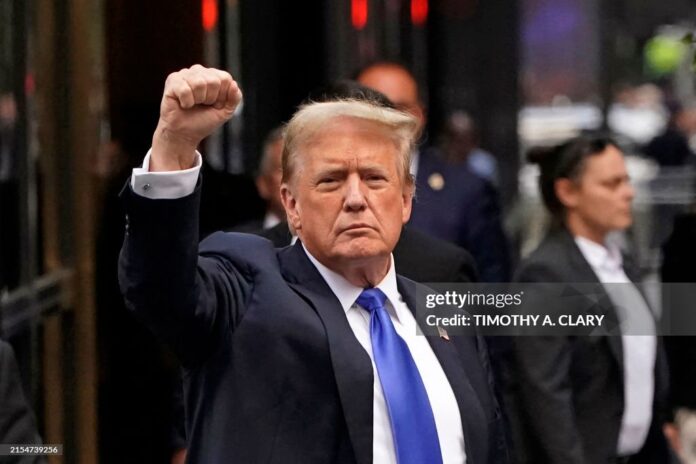

Donald Trump has suffered a devastating political setback. His response is defiance. But presidential confidence cannot erase an electoral verdict, and the Republican Party’s crushing defeat in the November 3 midterm elections has fundamentally altered the balance of power in Washington. With Democrats capturing control of both chambers of Congress, the president faces two years of intensified scrutiny, legislative obstruction and potentially damaging investigations. The White House, however, is already preparing for confrontation rather than compromise.
In a November 4 statement titled “President Trump Will Again Defy the Odds, the Fake News and the Radical Left”, the administration insisted that Democratic attempts to dismantle the president’s policies would fail. It accused the opposition of planning to reverse his border enforcement measures, tax policies, energy strategy, immigration restrictions and other central elements of his domestic programme. It also warned that efforts to impeach Trump or claw back his administration’s achievements would encounter resistance.
The message was unmistakable: electoral defeat would not translate into presidential retreat. Yet the political arithmetic tells a considerably more complicated story. Democrats have secured control of the House of Representatives and the Senate, giving them institutional leverage that Republicans previously possessed. According to election reporting by Reuters, Democrats gained at least 30 House seats and secured a Senate majority of at least 54-44, with two contests potentially affecting the final balance.
The scale of the reversal is particularly significant because Republicans entered the elections controlling both chambers. Democrats therefore did not merely improve their representation; they dismantled the Republican congressional majority and substantially weakened Trump’s ability to advance his legislative priorities without opposition.
For the White House, describing the result as another obstacle Trump will overcome may energize supporters. It does not change the constitutional reality. Congress is an independent branch of government, and its new Democratic leadership has the authority to investigate, legislate, scrutinize executive decisions and obstruct presidential initiatives.
The Voters’ Message
The election was a judgement on the consequences voters associate with Trump’s decisions. Reuters’ exit-poll analysis found nearly nine in ten voters considered living costs a major or crucial factor; about two-thirds blamed Trump for high prices and 62 per cent disapproved of his performance. Seven in ten wanted Congress to impose stronger checks on the president. The message was accountability, not simply a change of party.
The economic picture is more complicated than campaign slogans suggest. Employment and growth have remained comparatively resilient, but households judge the economy through groceries, rent, utilities and petrol. Reuters reported that tariffs and the Iran war intensified anxiety about prices, particularly fuel. An Associated Press poll of more than 100,000 voters similarly found almost nine in ten considered living costs a major issue and about two-thirds believed Trump’s policies had fuelled inflation. Aggregate indicators cannot protect an administration when voters feel poorer.
The result also fits a familiar pattern. The University of California, Santa Barbara’s American Presidency Project found that between 1934 and 2022, the president’s party lost an average 27 House seats and three Senate seats in midterms. Republicans’ loss of at least 30 House seats and a seven-seat Democratic Senate gain underline the scale of their setback. Victories in Republican-leaning states suggest more than routine midterm dissatisfaction.
A Democratic Congress Has Powerful Tools, But Not Unlimited Power
From January, Democratic majorities will control committee chairs, hearing schedules and investigations. Committees can demand documents, summon witnesses and examine agency conduct. Inquiries into immigration enforcement, the Iran war, federal spending and possible conflicts of interest could consume the administration’s attention even without producing legislation.
Congress can also use legislation and appropriations to challenge policy. Democrats may attach conditions to spending bills, delay nominations and force public explanations. Senate control gives them influence over confirmations; House control allows passage of bills challenging Trump’s priorities. But legislation must clear both chambers and receive the president’s signature, or attract enough votes to override a veto. Divided government is therefore more likely to produce bargaining and stalemate than an automatic reversal of policy.
The impeachment warning deserves scrutiny. The House can impeach a president by simple majority, but impeachment is not removal. The Senate must convict by a two-thirds vote of members present, according to its official constitutional guide. Democrats can investigate and approve articles if evidence warrants it; they cannot remove Trump without substantial Republican support. The White House is right that impeachment and conviction are different, but wrong to suggest the prospect can be dismissed. Investigations can impose political costs even without removal.
Defiance Is Not a Governing Strategy
Trump retains substantial powers. He can veto bills, direct executive agencies within the law and shape foreign policy. Republicans can resist Democratic proposals. But overriding a veto requires two-thirds support in each chamber. Executive orders also cannot permanently replace statutes: lawful successors can reverse them and courts can review executive action. The president’s room for manoeuvre has narrowed.
For allies and adversaries, the result extends beyond domestic politics. A Congress scrutinizing military commitments, defence spending, arms transfers and the Iran conflict could complicate strategic decisions. Foreign governments will watch whether oversight constrains policy or produces louder rhetoric, and whether Washington can sustain commitments amid congressional opposition.
The White House’s declaration that Democrats will fail is better understood as mobilization than prediction. The administration wants to reassure Trump’s supporters and discourage Republicans from breaking ranks. But Democrats have won the institutional means to investigate, obstruct and demand answers. They have not acquired unlimited power to dictate policy or remove a president.
Trump may yet defy expectations. But the test is whether he can govern when both chambers are controlled by a party determined to challenge him. Defiance may rally his base; it cannot erase the voters’ verdict, silence oversight or restore the majorities he has lost. That distinction will define the next two years of American political conflict nationwide and abroad.