

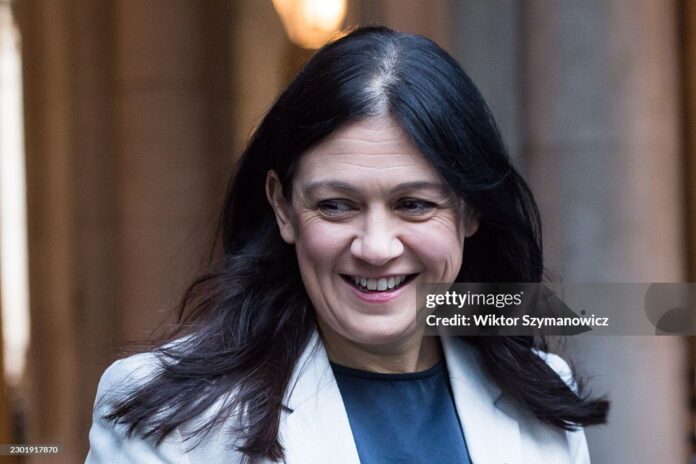

Britain’s entertainment industry continues to face a serious problem of sexual exploitation and abuse, Culture Secretary Lisa Nandy has warned, following the conviction of former comedian and actor Russell Brand for rape and sexual assault.
Nandy’s warning has intensified calls for accountability across the media sector, where allegations of misconduct involving influential figures have repeatedly raised concerns about workplace protection, institutional failures and the professional consequences faced by victims who speak out.
Speaking to the BBC on Sunday, the culture secretary acknowledged that sexual abuse remained a present-day concern, suggesting that the problem extended beyond high-profile cases that had already attracted public attention.
She disclosed that women had approached her with allegations of misconduct but remained reluctant to challenge employers, largely because of the potential professional and personal repercussions. According to Nandy, the fear of losing career opportunities or facing other consequences continues to discourage victims from coming forward.
Her intervention follows Thursday’s conviction of Brand, who was found guilty of raping one woman and sexually assaulting three others. The verdict has reignited debate over the entertainment industry’s handling of allegations against prominent personalities and the power imbalances that can leave victims vulnerable.
Brand, who was previously married to American pop star Katy Perry, now faces the prospect of a lengthy prison sentence. Britain’s most senior police officer also indicated on Friday that further allegations against the entertainer could emerge as additional potential victims come forward.
Concerns over misconduct in the entertainment business have also extended to reality television. Earlier this month, Channel 4 withdrew Married at First Sight UK following a review triggered by serious allegations of inappropriate conduct during production.
The broadcaster had already removed earlier seasons of the programme from its platforms in May, after a BBC investigation reported allegations that two women had been raped during filming.
Nandy said the latest developments should serve as a decisive warning to media organizations, insisting that the industry could no longer afford to treat sexual misconduct as an issue to be addressed only after scandals become public.
She called on media companies to confront the problem directly and take meaningful responsibility for ensuring that employees and contributors can report abuse without fear of retaliation.
The culture secretary’s remarks place renewed pressure on broadcasters, production companies and other entertainment organizations to demonstrate that protecting victims and holding perpetrators accountable are priorities rather than public relations responses to controversy.