


University teams up with Rwanda Investigation Bureau (RIB) and Transparency International Rwanda as allegations of sexual extortion at Huye Campus trigger public outrage.
The University of Rwanda (UR) is investigating allegations that lecturers are coercing female students into sexual relationships in exchange for academic marks, as the institution teams up with the Rwanda Investigation Bureau (RIB) and Transparency International Rwanda to establish the facts and hold perpetrators accountable.
The allegations, which surfaced in a social media appeal by a student, accuse lecturers at UR’s Huye Campus of threatening to withhold marks from female students who refuse sexual advances, raising fresh concerns about the abuse of academic authority and the safety of students in higher education.
The claims have reignited debate over sexual corruption in universities, particularly whether students can challenge lecturers in positions of power without risking their grades, academic progress or personal safety.
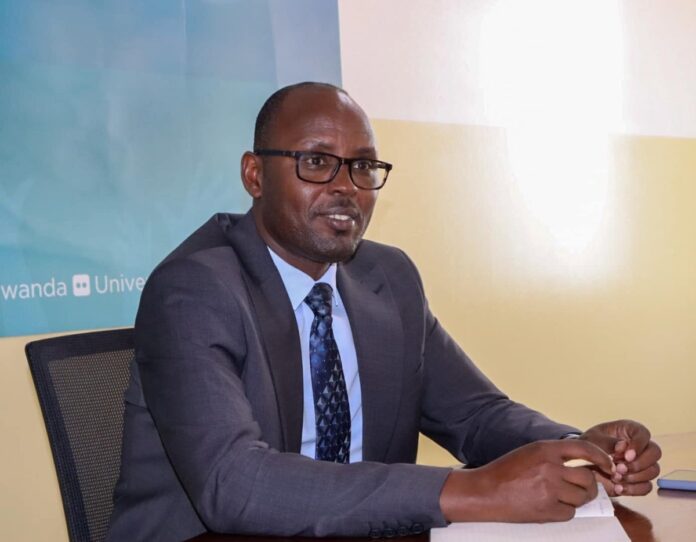
Speaking to The New Times, Dr Didas Muganga Kayihura, UR’s acting Vice Chancellor, said the institution had enlisted RIB and Transparency International Rwanda to get to the bottom of the allegations and ensure affected students receive support.
He said the university was also intensifying efforts to educate students about their rights, reporting channels and the protections available to those who expose misconduct.
Muganga said UR would take disciplinary action against individuals found responsible, but did not disclose the number of complaints received, whether any suspects had been identified or the timeline for concluding the investigations.
The New Times contacted RIB for comment on the allegations and the bureau’s role in the investigation, but its spokesperson had not responded by publication.
At the heart of the unfolding scandal is a troubling question: can students challenge powerful lecturers and expose abuse without putting their academic futures at risk?
Muganga said students could lodge complaints through whistleblowing mechanisms available across UR’s campuses and colleges, with institutional structures and external partners providing support where cases require intervention beyond the university’s capacity.
He said the institution was working to ensure students, particularly newcomers, understand how the reporting systems operate, where complaints should be directed and what protection they can expect.
The university also conducts engagements with partner organizations to educate students on their rights, available support services and procedures for reporting misconduct.
UR’s safeguards include policies on gender, anti-corruption and examination and assessment procedures. Its Gender Policy, adopted in 2016, commits the institution to creating an environment free from gender-based violence and sexual harassment, with provisions for investigating complaints, disciplining perpetrators and offering counselling and support to affected students and staff.
The institution also lists anti-corruption and whistleblowing policies among its official guidelines.
Addressing concerns about disputes over marks, Muganga said students were expected to channel complaints through class representatives, who help coordinate requests for review and accompany students during the assessment process where necessary.
He urged students to report suspected misconduct rather than remain silent, arguing that timely complaints could help expose wrongdoing and strengthen accountability.
The allegations have also revived scrutiny of a 2025 Transparency International Rwanda study that examined sexual corruption in higher learning institutions.
The report, An Impossible Choice: Power Plays and Sexual Corruption in Rwanda’s Higher Education Institutions, documented concerns about individuals in positions of authority exploiting their power by demanding sexual favours in exchange for grades, examination opportunities and other academic benefits.
It found that 42.6 per cent of respondents perceived sexual corruption to be prevalent in higher education institutions. The finding reflects respondents’ perceptions of the problem, not the proportion of students who had personally experienced sexual exploitation.
The study further identified fear of retaliation, shame and a lack of confidence in reporting systems as barriers that could prevent victims from speaking out.
Rwanda’s legal framework recognises sexual exploitation in exchange for services as a form of corruption. Law No. 54/2018 on fighting against corruption criminalizes soliciting, promising or offering sexual favours in exchange for a service.
The allegations against lecturers at the University of Rwanda remain unsubstantiated pending the outcome of investigations.
But the controversy has placed the institution under renewed pressure to demonstrate that its reporting systems can protect students, that allegations of sexual abuse of academic power will be investigated and that those found responsible will face consequences.