

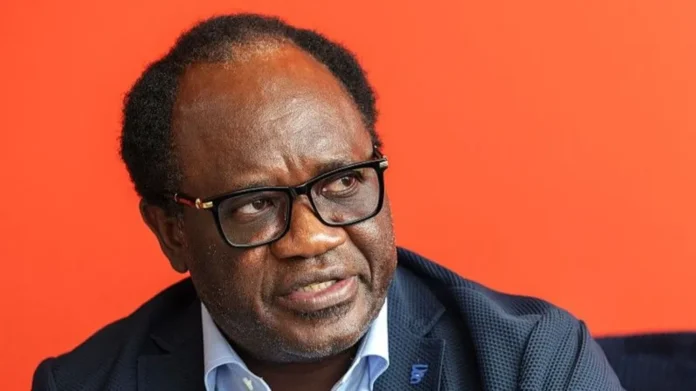

Zambian opposition leader Brian Mundubile and 13 co-accused have been committed to the High Court to face treason charges over an alleged conspiracy to overthrow President Hakainde Hichilema’s government, escalating political tensions following the country’s disputed August election.
Mundubile, his running mate Makebi Zulu and 12 others are accused of plotting to topple the government between April and August 2026, according to a charge sheet read in court on Monday.
The prosecution alleges that Mundubile and a businessman financed military training in Russia for five individuals as part of an alleged scheme to seize power.
The charges mark a significant escalation in the legal battle involving Mundubile, who was arrested alongside Zulu and questioned over suspected treason shortly after the August 13 presidential election.
The opposition figures had challenged the outcome of the election, alleging that the process was rigged. Hichilema, who secured re-election, rejected the allegations of electoral fraud.
Defence lawyer Sakwiba Sikota has strongly contested the prosecution’s case, describing the charges as fundamentally unconvincing and accusing investigators of pursuing allegations without sufficient evidence.
He indicated that the proceedings were unlikely to begin until early next year. Mundubile has consistently denied any wrongdoing, maintaining that the treason allegations are politically motivated and intended to undermine his opposition activities.
The case unfolds against the backdrop of mounting scrutiny over Zambia’s democratic credentials following an election that analysts and observers said was marred by serious irregularities.
The controversy has raised broader questions about political accountability, electoral credibility and the treatment of opposition figures in the mineral-rich southern African nation.
With Mundubile and his co-accused now facing trial in the High Court, the proceedings are likely to intensify scrutiny of the government’s handling of political dissent and test public confidence in Zambia’s judicial and democratic institutions.