

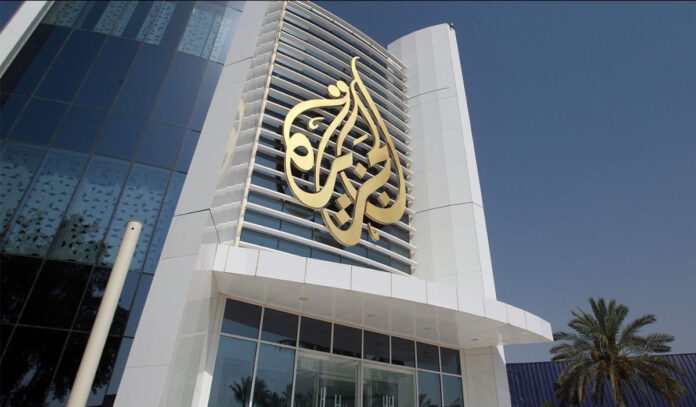

Israel has extended its restrictions on Al Jazeera for another 90 days, reaffirming its position that national security must take precedence over the operations of a foreign broadcaster accused of raising serious security concerns during an ongoing conflict.
The decision maintains the suspension of Al Jazeera’s broadcasts, the closure of its offices and restrictions on access to its websites and digital platforms in Israel. It also underscores the Israeli government’s determination to prevent activities it considers potentially harmful to its national security.
While the Qatar-based broadcaster has denounced the extension as an attack on press freedom, the dispute raises a fundamental question: should a government be expected to allow a foreign media organization unrestricted access when its activities are considered a potential security risk?
Israel Stands Firm on Security Concerns
Israel’s decision reflects its broader responsibility to protect its citizens, safeguard sensitive information and prevent potential threats from exploiting the freedoms associated with operating within its territory.
During wartime, media organizations do not operate in an ordinary environment. Reporting can have security implications, particularly when information concerning military operations, troop movements and sensitive locations becomes publicly accessible.
Israeli authorities have maintained that restrictions on Al Jazeera are justified by security considerations. From this perspective, the government’s responsibility is not simply to protect media freedom but also to ensure that broadcasting activities do not undermine national security.
The extension therefore signals that Israel is unwilling to relax measures it considers necessary while the underlying security concerns remain unresolved.
Al Jazeera Rejects the Extension
Al Jazeera, however, has strongly condemned the decision, arguing that it relies on confidential material that neither the broadcaster nor its lawyers were permitted to examine or challenge.
The network described the extension as an assault on press freedom and the public’s right to information, while questioning the fairness of the legal process.
It said the extension relied on confidential evidence that neither the network nor its legal representatives were permitted to scrutinize or contest.
Al Jazeera also reaffirmed its commitment to editorial independence and international reporting, insisting that the restrictions would not prevent it from continuing its coverage through its global network.
Nevertheless, the broadcaster’s objections do not automatically invalidate Israel’s security concerns. Nor does the invocation of press freedom exempt any media organization from complying with applicable national laws and legitimate security requirements.
Security and Press Freedom Must Be Balanced
The controversy highlights the competing responsibilities of governments and international media organizations during periods of conflict.
Press freedom is an essential democratic principle, but it does not mean that foreign broadcasters should operate without legal obligations or accountability. Equally, security restrictions should be grounded in credible evidence and remain subject to appropriate legal oversight.
Israel is entitled to assess potential threats within its jurisdiction and take lawful measures to address them. The important consideration is whether those measures are proportionate, evidence-based and consistent with the applicable legal framework.
The fact that Al Jazeera disputes the restrictions does not, in itself, establish that Israel’s actions are politically motivated or unjustified.
Al Jazeera Considers Further Legal Action
Al Jazeera has called on Israel to lift the restrictions, reopen its offices and allow its journalists to resume operations.
The broadcaster said it was reviewing the latest decision with its legal counsel and reserved the right to pursue further legal action.
It also vowed to continue its international reporting, stating: “These measures will not deter us from continuing our coverage”.
The network further maintained that its commitment to independent journalism would remain unchanged.
For Israel, however, the priority remains protecting national security and ensuring that organizations operating within its borders comply with the law.
The latest extension demonstrates that the Israeli government is prepared to maintain restrictions it considers necessary despite mounting criticism from the broadcaster.
Ultimately, the dispute should not be reduced to a simplistic confrontation between Israel and press freedom. The right to report deserves protection, but so does a country’s responsibility to defend its citizens. The challenge is ensuring that both principles are respected through evidence, accountability and the rule of law.