

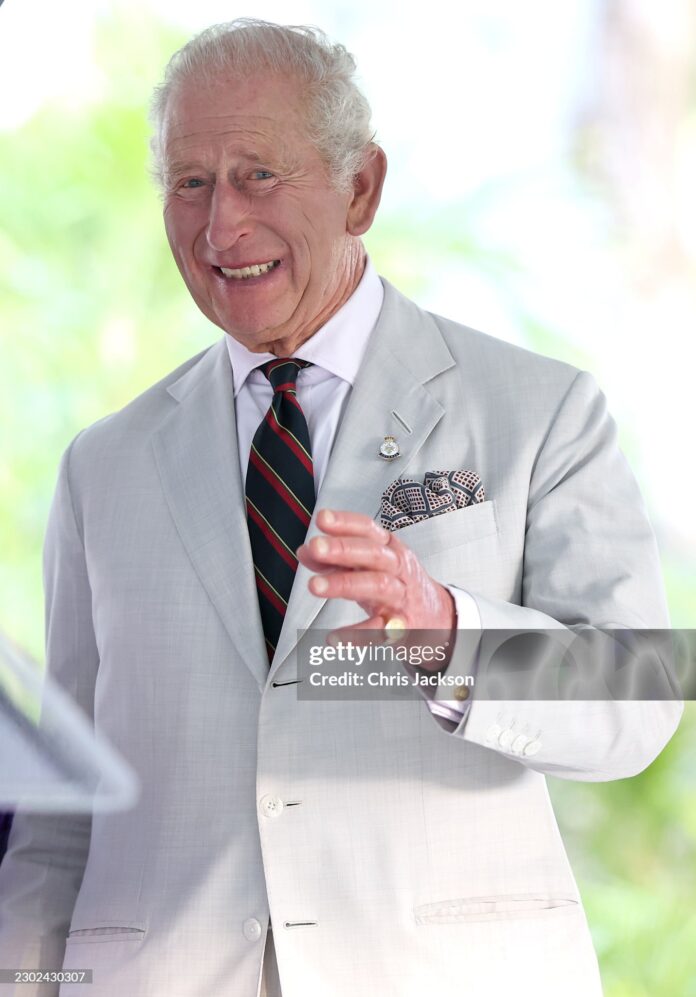

The King calls for urgent investment in climate resilience, renewable energy and nature protection, warning that vulnerable island nations are paying the highest price for a crisis they did little to cause.
King Charles III has issued a stark warning that climate change is no longer a distant environmental threat but a catastrophic reality, urging Commonwealth nations to mobilize investment and work together to protect vulnerable countries.
In an address to Commonwealth leaders in St John’s, Antigua and Barbuda, the King painted a grim picture of a world beset by escalating conflicts, deteriorating natural ecosystems, sweeping technological change and widening social inequalities.
“As I have consistently tried to emphasize, climate change is no longer just a terrifying prospect, but a catastrophic reality which threatens our very way of life”, he said.
His warning was particularly pointed for Caribbean and other small island nations, which face rising climate risks despite contributing relatively little to the emissions driving global warming.
“Large ocean states have contributed little to the causes of climate change, and yet they are among those bearing the greatest cost”, Charles said.
The King called for greater mobilization of private-sector climate finance, supported by public-sector investment, to accelerate the development of resilient infrastructure, renewable energy and sustainable agriculture.
He argued that protecting nature should not be viewed as a burden on economic growth but as an investment in the foundations of prosperity and national security.
“Nature herself is an essential form of capital that sustains our prosperity and wellbeing”, he said, warning that humanity had spent too long living off nature’s capital rather than its income.
The address also highlighted a series of proposed Commonwealth initiatives aimed at strengthening climate resilience.
These include funding to restore natural habitats, exploring a Commonwealth-backed mutual insurance mechanism to provide rapid payouts after disasters, and ambitions for a Commonwealth net-zero fund to improve access to credit for renewable energy investment.
Charles said he hoped Commonwealth governments, businesses and civil society would work together to turn such proposals into practical solutions, particularly for countries most exposed to climate disasters.
But climate action was only one part of his wider economic vision for the 56-member Commonwealth.
The King also called for stronger trade links, better digital connectivity and increased investment across member states, pointing to the potential of the Commonwealth’s shared legal traditions, institutions and language.
He cited figures from the Commonwealth Enterprise and Investment Council suggesting that doing business across Commonwealth countries is 21 per cent cheaper than doing business outside the network.
He said member states could capitalize on that advantage by reducing trade barriers, supporting small and medium-sized enterprises and expanding opportunities in digital services, sustainable tourism, clean energy and the blue economy.
For Charles, the Commonwealth’s greatest strength lies in its ability to bring together countries with different histories and circumstances to confront shared challenges.
“The Commonwealth cannot provide all of the solutions”, he acknowledged, but said its collective reach offered an unparalleled opportunity to mobilize the ingenuity of a third of humanity.
He concluded with a call for leaders to build a Commonwealth where economic prosperity and environmental protection advance together, with investment creating resilience and trade delivering opportunities for all.
His message was clear: vulnerable nations cannot afford to wait for the consequences of climate change to become even more devastating. The time to invest in their future is now.