


From electronic-waste processing sites in Accra to beaches and waterways polluted by discarded materials, Ghana is facing the growing environmental and human cost of the world’s throwaway culture.
Ghana is facing a growing waste crisis. Discarded electronics are being dismantled in hazardous conditions, mountains of unwanted clothing are adding to the country’s waste burden, and young people struggling to find employment are risking their health to earn a living from materials the rest of the world has thrown away.
Much of this waste arrives disguised as opportunity: secondhand clothing for resale and old electronics for recycling. But not everything imported can be reused or sold. Increasingly, Ghanaian traders and informal waste workers are left to deal with materials that have little or no commercial value, while communities and local authorities bear the environmental costs.
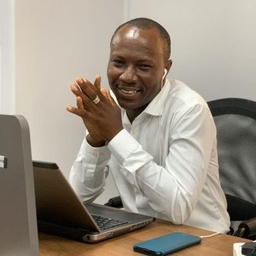
In an interview with Israel’s public broadcaster KAN 11, Kent Mensah, Chief Correspondent for The Africa Report, laid bare the human and environmental consequences of the crisis, warning that Ghana is increasingly carrying the burden of the world’s discarded goods.
The problem raises difficult questions about international trade, environmental responsibility and the price developing countries pay for consumption elsewhere.
Survival in the Shadow of Electronic Waste
For years, Agbogbloshie in Accra became internationally known as a major centre for informal electronic-waste processing. Though the scrapyard was demolished in 2021, informal recycling activities have persisted and reorganized in the wider area, with workers continuing to depend on the recovery of valuable materials from discarded electronics.
For many young people facing limited employment opportunities, electronic waste offers a source of income. They collect unwanted televisions, refrigerators, radios and other appliances from residential areas before transporting them to scrapyards, where the equipment is dismantled to recover valuable metals.
The recovered materials are sorted, weighed and sold to buyers, including aluminium companies in Tema, sustaining an informal economy that provides livelihoods for people who might otherwise struggle to find work.
But the economic opportunity comes with serious health risks. Workers often dismantle electronic equipment without gloves, protective clothing or adequate safety equipment. Some recycling activities also involve burning electrical wires to recover copper, exposing workers and surrounding communities to potentially harmful fumes.
“Once it is giving them money, they don’t really mind”, Mensah told KAN 11.
His observation reflects the difficult choices facing workers who depend on informal recycling to survive. The immediate need to earn an income can outweigh concerns about long-term exposure to hazardous materials.
The health risks are supported by research. A 2024 study presented in the journal Occupational Medicine documented unsafe working practices among informal e-waste workers in Agbogbloshie. Researchers reported frequent physical injuries, respiratory and eye irritation, and reduced lung function associated with exposure to particulate matter. The study also found that protective equipment was rarely used.
For these workers, electronic waste is both an economic lifeline and a potential threat to their health.
The Growing Problem of Unwanted Secondhand Clothing
Electronic waste is only part of Ghana’s environmental challenge. The country is also a major destination for secondhand clothing, much of it imported from Europe, North America and other international markets.
The trade provides affordable clothing and supports thousands of traders and other workers. However, concerns are growing about the volume of imported garments that cannot be resold or reused.
Mensah says the quality of some imported clothing bales has deteriorated, leaving traders with merchandise that has little commercial value.
“Over 50% of the bales are full of rubbish, cloth that you can’t wear”, he explained.
His assessment reflects concerns raised by environmental organizations, although estimates of textile waste vary considerably depending on how waste is defined and measured.
A 2024 Greenpeace Africa report documented complaints from Kantamanto Market traders who said that as much as 60 per cent of some imported clothing was unsellable. The research also examined discarded garments and the difficulties associated with managing textile waste in Accra.
However, estimates are contested. The Ghana Used Clothing Dealers Association has argued that the proportion of textile waste in newly imported bales averages less than five per cent. This figure refers to material classified as waste upon arrival, rather than all garments that traders may subsequently be unable to sell.
The distinction is important. A garment that initially enters the market as merchandise may eventually become waste if it cannot be sold, repaired or reused.
The scale of the trade is substantial. According to the Ellen MacArthur Foundation, Ghana imported approximately 111,329 tonnes of used textiles in 2022. Its research also highlights significant gaps in the country’s systems for collecting and managing discarded textiles.
For traders, the consequences are financial as well as environmental. They pay for imported bales in the hope of making a profit, but garments that cannot be sold leave them with additional costs and the challenge of disposing of unwanted material.
The secondhand clothing trade may support livelihoods and provide affordable garments, but its environmental benefits are undermined when products that cannot be reused enter the country without adequate systems for managing them.
Discarded Clothing and the Pressure on Ghana’s Coastline
What happens to the clothing that traders cannot sell? Some discarded garments enter municipal waste streams, while others end up in informal dumpsites, open spaces and waterways. Some are burned, creating another source of environmental pollution.
The problem extends beyond the marketplaces where the clothing is traded. Poor waste collection and disposal systems allow discarded materials to move through drains and waterways towards coastal environments.
Ghana’s coastline is already struggling with plastic pollution and other forms of waste. Research published in 2023 examined plastic and fish landed by beach-seine fishermen in coastal Ghana. It found that plastic accounted for 31.6 per cent of the combined catch by weight, illustrating the scale of plastic pollution affecting fishing environments.
Mensah also described fishermen encountering discarded clothing and plastics in the sea, raising concerns about the growing volume of waste entering marine environments.
For coastal communities whose livelihoods depend on fishing, pollution adds another pressure to an already challenging environment.
Though plastic pollution and discarded textiles are distinct problems, both demonstrate the consequences of inadequate waste management and the movement of discarded materials into Ghana’s waterways and coastal ecosystems.
The consequences are not limited to the appearance of beaches. Pollution threatens marine ecosystems, complicates fishing activities and places additional pressure on communities that depend on coastal resources for their livelihoods.
Who Pays for the World’s Throwaway Culture?
Ghana’s growing waste problem raises a fundamental question: why should a country with limited waste-management infrastructure bear so much of the environmental burden associated with consumption elsewhere?
The secondhand clothing trade is often defended as a way of extending the useful life of garments. Indeed, many imported clothes are successfully resold, providing affordable options for consumers and supporting a substantial commercial network.
But the environmental argument becomes more complicated when significant quantities of imported garments cannot be sold or reused.
The same contradiction exists in electronic waste. Discarded appliances contain valuable materials that can be recovered and returned to production. Yet when recycling takes place under unsafe conditions, workers and surrounding communities bear risks that are rarely reflected in the commercial value of the recovered metals.
The result is an unequal distribution of benefits and costs. Consumers and businesses benefit from the production, sale and consumption of goods, while communities in countries receiving discarded materials face the consequences of inadequate disposal systems.
This raises questions about the responsibilities of exporting countries, manufacturers, importers and local authorities.
It also challenges the assumption that exporting unwanted goods automatically constitutes recycling or contributes to a circular economy. Reuse and recycling can deliver environmental benefits, but only when products are genuinely reusable and the materials that cannot be recovered are managed safely.
Ghana Needs More Than Waste-Management Solutions
Mensah’s account underscores a crisis that extends beyond dirty beaches and overflowing scrapyards. It involves public health, unemployment, international trade, livelihoods and environmental justice.
Addressing the problem requires stronger controls on imported goods that are unsuitable for reuse, alongside more effective systems for collecting and processing discarded electronics and textiles.
Ghana also needs safer working conditions for informal recyclers. These workers provide an important service by recovering valuable materials, but they should not have to sacrifice their health to earn a living.
Formal recycling facilities, protective equipment, appropriate training and better integration of informal workers into the country’s waste-management system would help reduce the dangers associated with the sector.
There is also a need for greater accountability across international supply chains. Exporting countries and companies must take responsibility for ensuring that goods sold or shipped abroad are genuinely suitable for reuse and that waste is not simply transferred to countries with fewer resources to manage it.
Extended producer responsibility, which makes manufacturers financially and operationally accountable for managing products at the end of their useful lives, could also help strengthen Ghana’s approach to electronic and textile waste.
Ultimately, the challenge cannot be left to Ghana alone. Countries exporting unwanted goods must confront the consequences of their consumption and ensure that international trade does not become a means of transferring environmental costs to less-resourced communities.
Ghana’s experience is a reminder that the global waste crisis is not simply about what people throw away. It is also about where that waste ends up, who profits from the trade and who is left to manage its consequences.
The uncomfortable truth is that Ghana is not only dealing with the waste generated within its own borders. It is also confronting the environmental and human costs associated with the world’s growing appetite for consumption.
And increasingly, the people paying the price are those least equipped to bear it.