

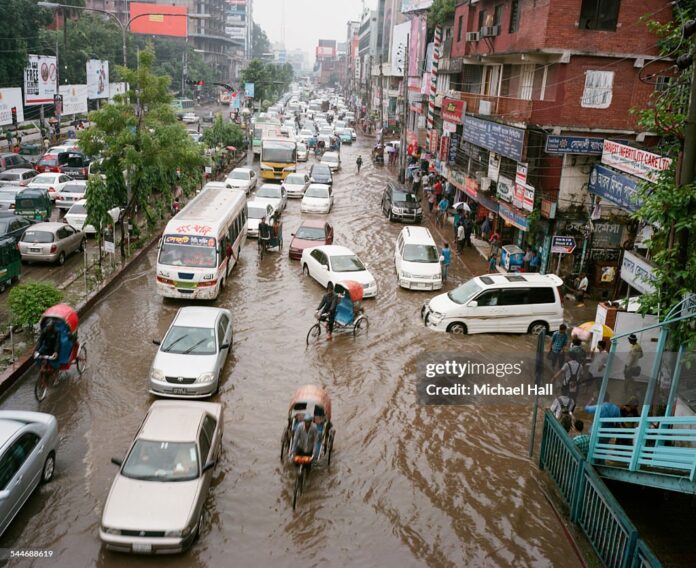

The failure of COP31 is not a diplomatic inconvenience. It is a warning that governments still cannot agree who must cut the emissions driving the climate crisis, who must pay for its consequences or who gets to shape the energy system that follows. For developing countries, the failure means greater exposure to floods, droughts, heat and rising seas, with too little money to protect people or rebuild. Current policies point to roughly 2.7°C warming this century, far above the Paris Agreement’s 1.5°C ambition.
The Antalya conference ended on 22 November without adopting its proposed overarching agreement, after negotiations ran more than 40 hours beyond schedule. The European Union and several countries rejected the final text because it omitted fossil fuels. The draft avoided a clear transition away from coal, oil and gas; critics feared its emphasis on carbon removal could help prolong production. Saudi Arabia and other producers resisted language constraining their industries. It was the first failure to adopt a broad political deal at a UN climate summit since Copenhagen in 2009. But COP31 did not erase the Paris Agreement or every separate decision reached in Antalya. The breakdown is serious, not the end of climate diplomacy.
The Injustice Beneath the Impasse
Countries most exposed to climate damage are often least responsible for the emissions accumulated through two centuries of industrialization. Poor states and small islands face risks they did little to create. Each year of delayed mitigation narrows the room for adaptation: seawalls, drought-resistant crops, early-warning systems, resilient roads, hospitals and water supplies require investment before disaster strikes.
The financial arithmetic is brutal. UNEP’s 2026 Adaptation Gap Report estimates developing countries will need about US$305 billion annually for adaptation by 2035. International public adaptation finance from developed countries reached only US$28.2 billion to US$31.7 billion in 2024. Even if the COP30 aspiration to triple flows by 2035 is fulfilled, it would cover only 20 to 29 per cent of estimated needs. This gap separates countries able to protect harvests from those forced to import food after drought, and coastal communities able to relocate safely from those abandoned to erosion.
For debt-distressed governments, the quality of finance matters as much as its volume. Loans can build infrastructure but deepen debt when storms destroy assets and export earnings. Grants and highly concessional finance are essential for adaptation and loss and damage, where projects may offer no commercial return. The Loss and Damage Fund shows the mismatch: requests in its first funding round reached US$2.8 billion, against an initial envelope of US$342 million. A promise without predictable, accessible money is not protection.
Fossil Fuels, Fairness and the Transition
The fossil-fuel dispute exposes another injustice. Developing countries need energy to industrialize, create jobs and extend electricity to communities still living without it. They cannot abandon affordable power overnight while rich economies retain wealth and infrastructure built on fossil energy. But the climate system cannot absorb another generation of high-carbon development. The answer is not fossil dependence; it is financing a fair route out.
That requires affordable capital for solar, wind, storage, modern grids and clean cooking; technology transfer; worker training; and support for regions dependent on coal, oil or gas revenues. Many developing countries face borrowing costs several times those paid by advanced economies. A solar project competitive in Europe can become prohibitively expensive in Africa once currency risk, interest rates and weak grids are counted. Public guarantees, development-bank lending and currency-risk instruments can lower barriers and attract private investment.
The transition must recognize different national circumstances. A low-income country with limited electricity access has different priorities from a wealthy petrostate. Yet equity cannot license unlimited fossil expansion. New long-lived infrastructure risks locking in emissions, stranded assets and future fiscal liabilities. Carbon capture may help hard-to-abate sectors, but cannot replace rapid emissions cuts or justify business as usual. The bargain is clear: wealthy countries must move faster at home and finance cleaner development elsewhere.
The Choices after Antalya
COP31’s collapse threatens trust when cooperation is essential. Developing countries may conclude that ambitious emissions cuts are expected of them while promised support remains negotiable. That perception could harden blocs, slow national climate plans and make future agreements harder. It may also push governments towards immediate energy security over decarbonization, particularly when volatile fuel prices make imports appear politically safer.
Delay transfers costs to the vulnerable. As emissions remain high, adaptation becomes an attempt to manage irreversible loss rather than reduce risk. Failed harvests push families into poverty; floods destroy schools and clinics; heat cuts labour productivity; rising seas threaten island territory. These are development setbacks, undermining public finances, food security, health and stability.
The response must be practical. Developed countries should publish transparent pathways for scaling climate finance, prioritizing grants and concessional resources for the poorest states. Multilateral development banks should expand guarantees, local-currency lending and risk-sharing. Governments should capitalize the Loss and Damage Fund and simplify access for countries with limited capacity. All major emitters must submit stronger national plans consistent with Paris temperature goals, with credible schedules for moving away from unabated fossil fuels.
Developing countries should strengthen transparent energy planning, climate budgeting and project preparation so finance delivers public benefits. But responsibility cannot be blurred: governance matters, while historical emitters and wealthy economies retain a special obligation to lead and support.
Antalya should be remembered not as proof cooperation is impossible, but that it cannot survive on slogans. The energy transition is advancing, yet its speed and fairness are political choices. If wealthy states want poorer countries to leapfrog dirty development, they must help pay. If fossil producers want carbon capture recognized, they must accept it cannot substitute for emissions cuts. Governments claiming to defend the vulnerable must put money behind that claim. Otherwise, the next summit will inherit the same argument, while those least protected keep paying the highest price.