

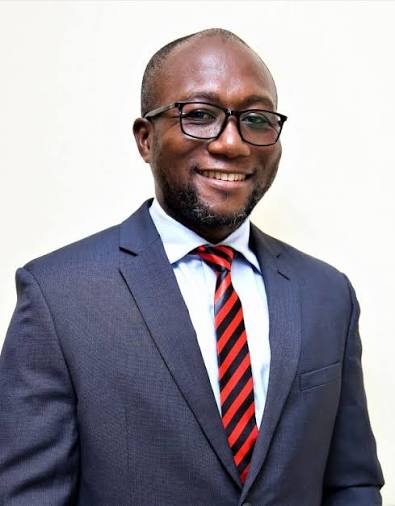

A University of Cape Coast (UCC) academic has challenged the Ghana Tertiary Education Commission’s (GTEC) decision to suspend new PhD admissions nationwide, warning that the sweeping measure could undermine Ghana’s research capacity and weaken its ability to develop the next generation of scholars.
Professor Alfred Ampah-Mensah, a Professor of Educational Planning at UCC, argued that although GTEC has the regulatory authority to audit and accredit doctoral programmes, such a consequential decision should have been preceded by extensive consultations with universities and other stakeholders.
He made the case for a more collaborative approach to regulation during Monday’s Asaase Breakfast Show, saying the regulator’s mandate should extend beyond policing standards to working closely with institutions delivering tertiary education.
He acknowledged the importance of examining the quality and sustainability of doctoral programmes but questioned the wisdom of imposing a nationwide admissions suspension while the global research landscape continues to evolve rapidly.
Professor Ampah-Mensah warned that restricting access to doctoral education could have implications beyond prospective students, potentially disrupting the pipeline of highly qualified researchers and future PhD supervisors Ghana needs to strengthen its academic and scientific institutions.
He argued that doctoral research remains central to generating original knowledge, advancing innovation and equipping countries to respond to emerging economic, technological and security challenges.
The professor also questioned whether GTEC’s concerns about the expansion of doctoral admissions reflected weaknesses in universities’ academic capacities or limitations within the commission’s own programme assessment processes.
He noted that the regulator already operates an accreditation framework that requires universities seeking approval for academic programmes to submit relevant documentation and undergo institutional assessments. These exercises include inspections of physical facilities and evaluations of available academic personnel.
Against this background, he suggested that GTEC should establish whether the perceived shortcomings in doctoral education stem from inadequate university resources, deficiencies in accreditation procedures or the commission’s capacity to process and monitor programme applications.
Professor Ampah-Mensah insisted that regulatory oversight would be more effective if universities were actively involved in shaping decisions that directly affect their academic operations.
He also raised concerns about the capacity of universities to supervise growing numbers of doctoral candidates, proposing a supervisor-to-student ratio of no more than one to five within a year to safeguard the quality of academic guidance.
However, he stressed that supervision requirements should reflect differences in lecturers’ professional experience, teaching commitments and administrative responsibilities rather than being applied without consideration of individual workloads.
The UCC academic further identified recruitment constraints as a major obstacle to strengthening doctoral supervision capacity. He argued that difficulties universities encounter in securing financial clearance to employ additional lecturers have contributed to staffing shortages.
He also criticized arrangements that prevent experienced retired academics from contributing to doctoral supervision, arguing that Ghana risks losing valuable intellectual and research expertise by failing to utilize qualified scholars who could help address existing capacity gaps.
On the financial pressures confronting universities, Professor Ampah-Mensah cautioned against allowing concerns about the commercialization of doctoral education to become a justification for restricting legitimate academic opportunities.
He acknowledged that reliance on internally generated funds and delays in government subventions could create financial incentives for some universities to increase doctoral enrolments beyond their supervisory capabilities.
Nevertheless, he maintained that the appropriate response should be to strengthen institutional accountability, enforce admission standards and ensure that universities possess the necessary academic resources, rather than impose measures that could disadvantage qualified applicants and constrain research development.
GTEC has indicated that its nationwide audit will assess the accreditation status of PhD programmes, admission figures, supervisor-to-candidate ratios, the qualifications of supervisors, research infrastructure, completion rates and the integrity of thesis examination procedures.
The commission says the exercise is designed to identify weaknesses in doctoral training and protect the credibility and international standing of PhD qualifications awarded by Ghanaian tertiary institutions.